

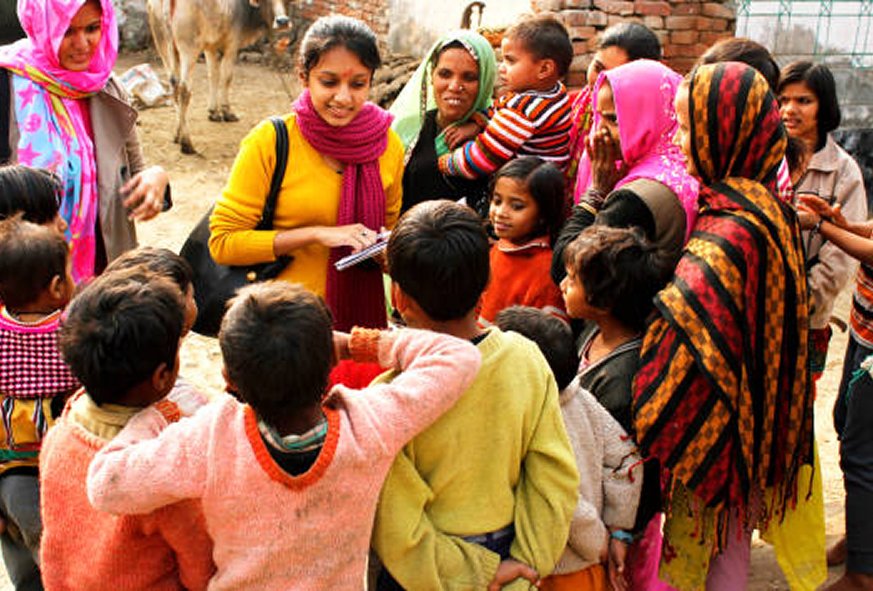
In many villages and residential societies, discussions about environmental challenges are often organized to understand the real situation on the ground. Teams and community groups visit different areas, observe the local environment, and interact with residents to learn about the issues they face related to natural resources, agriculture, and climate change.
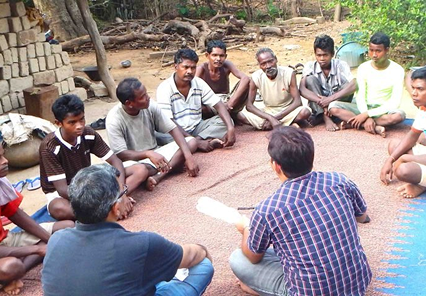
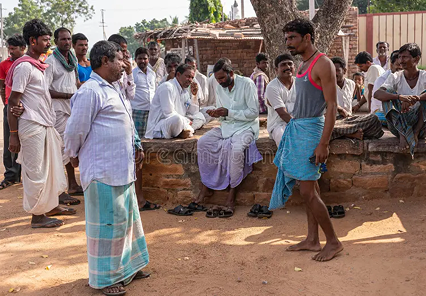
These visits help create a clear picture of how environmental conditions are changing. People gather in local meeting spaces, community centers, or open village areas where everyone can share their experiences and ideas. During these meetings, residents discuss various topics such as water availability, farming practices, tree cover, soil quality, and environmental changes that they have noticed over the years.
Such discussions are important because local communities often have valuable knowledge about their land and natural surroundings. Farmers and residents understand how weather patterns have changed, how farming practices have evolved, and what challenges they are currently facing.
By bringing people together and encouraging open conversations, communities can begin to explore practical solutions that improve environmental sustainability while also supporting local livelihoods.
Environmental Activities That Support Carbon Projects
Several activities carried out in rural areas contribute to carbon reduction and environmental improvement:
• Tree plantation and forest protection
• Soil conservation and soil health improvement
• Sustainable and organic farming practices
• Efficient water management and irrigation systems
• Protection of natural ecosystems and biodiversity
Building Sustainable Futures Through Community Participation
Rural communities have the potential to become key partners in global climate solutions. When people understand the importance of protecting natural resources, they are more likely to adopt sustainable practices that benefit both the environment and their livelihoods.
Activities such as tree planting, soil management, and responsible farming can help capture carbon from the atmosphere while improving land productivity. At the same time, these initiatives support biodiversity, strengthen ecosystems, and improve the overall quality of the environment.
In many cases, carbon projects also create economic opportunities for local residents. Farmers and villagers may receive support, training, or financial incentives for participating in environmental programs. These opportunities encourage communities to actively engage in sustainable development.